


Children with kidney failure have a 30-fold higher risk of mortality compared with healthy children. The prevalence of end-stage renal disease requiring renal replacement therapy is steadily increasing, with an estimated annual rise of 5% in the United States and 1.9% in Europe.
Among the available treatments, kidney transplantation offers the best chance of survival and quality of life compared with dialysis. However, graft rejection remains the leading cause of allograft loss, especially among adolescents—the population most at risk of nonadherence to therapy. Since the average lifespan of a graft is 12 to 15 years, most transplanted children will require a new transplant, often more complex due to immunological sensitization and prolonged waiting times.
Diagnosis of rejection currently relies on kidney biopsy, evaluated according to the 2022 Banff international classification. Although this method is the gold standard, it lacks reproducibility and shows substantial intra- and inter-observer variability, sometimes leading to suboptimal therapeutic decisions.
The aim of this study is to contribute to the development of new, more accurate and less invasive diagnostic tools to detect allograft rejection in pediatric kidney transplant recipients.
To achieve this, we are analyzing gene expression in existing biopsy samples to identify molecular markers specific to rejection and to determine whether they can enable early diagnosis of rejection, ultimately allowing the implementation of targeted treatments.
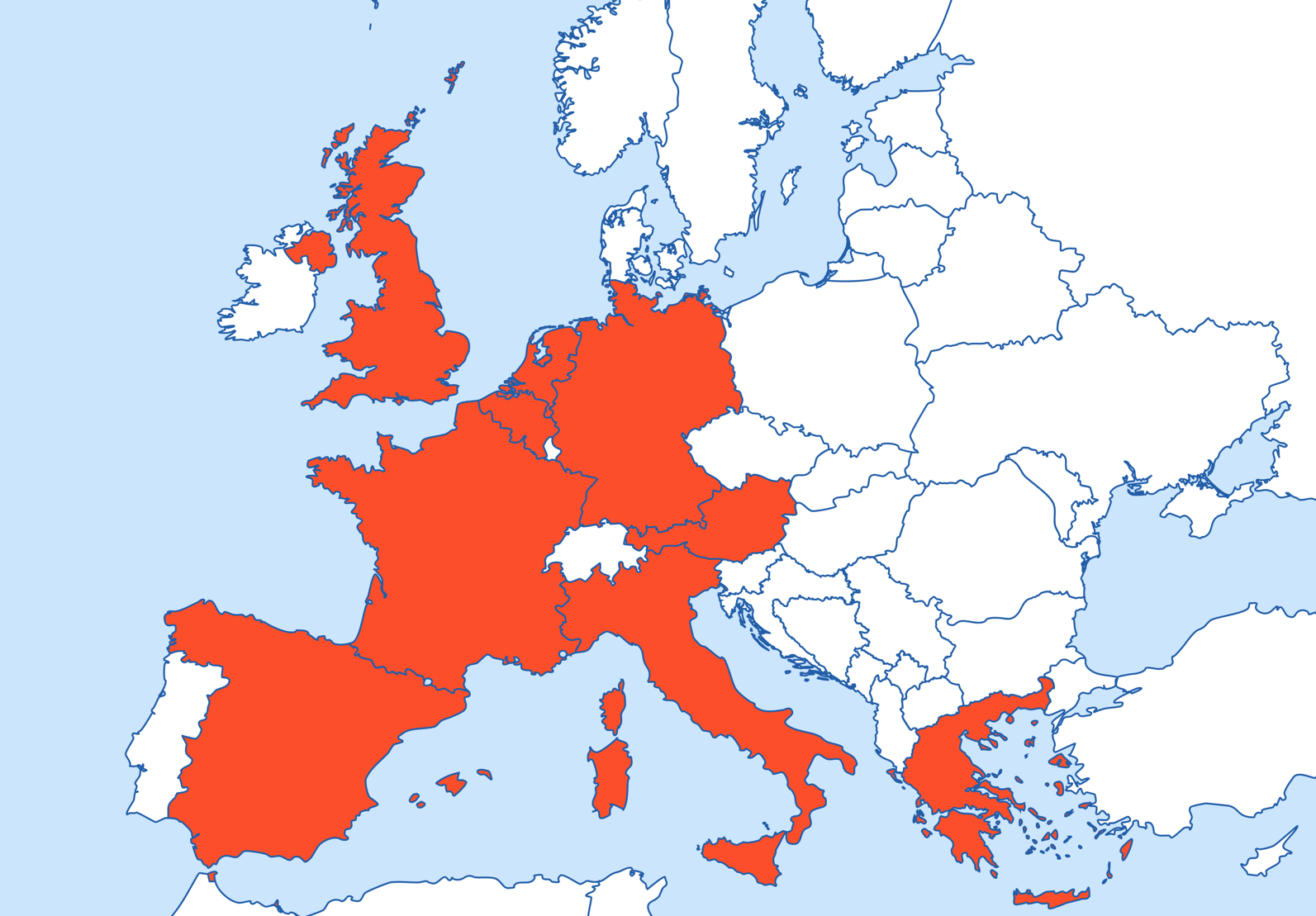
No new examinations, samples, or changes in treatment will be carried out as part of this study.
Data collected between 2014 and 2025 (included in the care pathway for transplant patients) will be used. Previous kidney biopsies (already performed as part of medical follow-up) that were not used for diagnosis will be used to perform molecular analyses.
The sample will be analyzed in a secure laboratory to study the activity of 770 genes (NanoString nCounter technology). This rapid, automated method provides results in less than two days, in parallel with tissue analysis under a microscope. This technology allows for reliable assessment of gene activity, although the panel of genes selected in pediatric renal biopsy samples remains unexplored in real-world conditions to date.
This proposal aims to create a sensitive, accurate, and rapid diagnostic tool for pediatric kidney transplant rejection that can be adapted to routine practice.
The results will be linked to medical records (blood tests, medication, examinations).
All patients and/or their parents/legal guardians will be asked to provide their informed consent in writing. Each patient/legal guardian is informed that the data is anonymized and that they may request to withdraw from the study at any time without justification. Biopsy tissue not used for diagnosis will never be used for commercial purposes or for another unrelated study. A request for destruction of the patient sample may be made at any time. Refusal to participate, withdrawal from the study, and/or request for destruction of samples will have no impact on patient care.
The confidentiality of participants will be strictly protected, in particular through the anonymization of data and the secure storage of all information in the password-protected REDCap database, which only authorized researchers will be able to access. The key linking the code to the identity will be kept at your hospital and will never be shared.
Ethical approval will be obtained locally at each participating center. The study complies with the principles set out in the Declaration of Helsinki.
Analyses will only be carried out within the European Economic Area (EEA).
All necessary measures will be taken to ensure the protection of your child’s privacy, in accordance with the GDPR and European ethical standards.
PITOR (Paris Institute of Transplantation and Organ Regeneration) is the coordinating center for this study.
PITOR has extensive expertise in the field of allograft and xenograft rejection, having published numerous articles on the identification of new forms of rejection and advancing the field of precision diagnostics based on gene expression. These contributions have led to significant changes in the Banff international classification of rejection.
Our research unit has set up a molecular pathology platform bringing together the various technical resources needed for the project as well as specialized staff. In addition, the team has solid experience in bioinformatics data management and analysis.
Since 2024, the platform has already extracted and sequenced several thousand biopsies from adult patients who have undergone kidney, heart, liver, and lung transplants.
Over the past decade, more than 150 kidney transplants have been performed at Necker-Enfants Malades Hospital. Collaboration with other European centers of excellence in pediatric kidney transplantation and the use of the pioneering expertise of the Paris Transplantation Group are essential for validating this new technology in children.